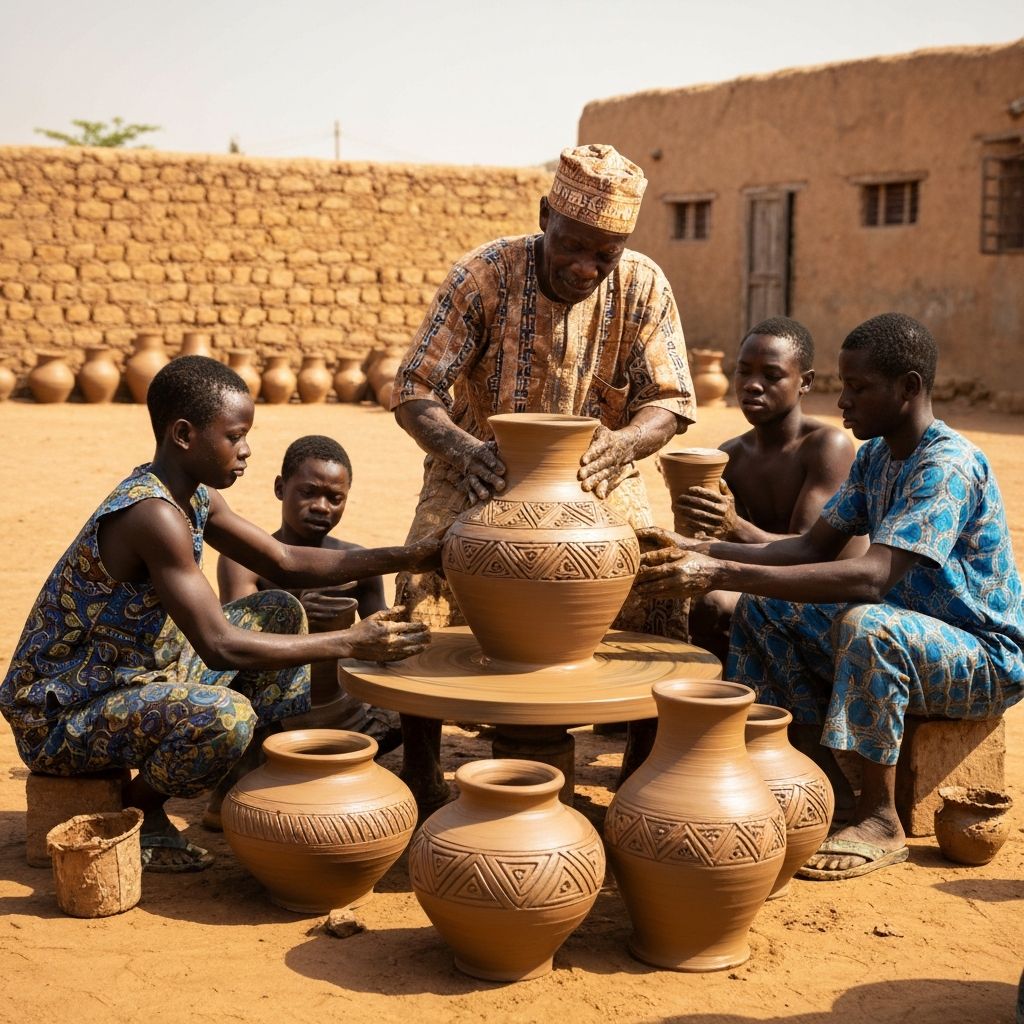
Ila-Orangun
Osun State - Ila Local Government Area
Ancient Yoruba town and historic kingdom, founded by a descendant of Odùduwà and known for its enduring traditions of kingship and cultural continuity.
Historical Timeline
11th–12th Century CE
Oral traditions place the founding of Ila during this period, following waves of migration from Ile-Ife, led by royal descendants of Odùduwà.
13th–15th Century CE
Consolidation of the Ila Kingdom. Establishment of sacred kingship, palace institutions, and town quarters linked to lineage and guild structures.
16th–18th Century CE
Ila emerges as a stable inland Yoruba kingdom, maintaining autonomy while interacting with neighboring polities through trade, diplomacy, and cultural exchange.
19th Century CE
Era of regional conflicts affecting much of Yorubaland. Ila experiences pressures from wars and shifting alliances but remains territorially and culturally intact.
Late 19th – Early 20th Century CE
Incorporation into British colonial administration. Traditional institutions are retained under indirect rule.
Perspectives on History
📜 Mythological Narratives
Ila-Orangun traces its origin to Ọ̀ràngún, a son or close descendant of Odùduwà. Oral history recounts a migration from Ile-Ife, guided by divine instruction, leading to the establishment of Ila as a royal settlement. These narratives define Ila's legitimacy, ritual life, and relationship to other Yoruba crowns.
🏺 Archaeological Findings
While large-scale archaeological excavations in Ila are limited, regional studies support the emergence of organized settlements in this part of Yorubaland between the 12th and 15th centuries. Scholars interpret Ila's formation as part of broader Ife-centered state expansion, characterized by gradual settlement, political consolidation, and cultural diffusion.
🔬 Scholarly Debates & Notes
Town Atlas Nigeria presents oral tradition and academic interpretation side by side. Oral accounts are preserved as authoritative cultural memory, while archaeological perspectives provide material context. Both are essential to understanding Ila's historical identity.
Geography & Places
Location and Environment
Ila-Orangun is situated in northeastern Osun State, within the forest-savanna transitional zone.
Quarters and Settlements
The town is traditionally organized into quarters associated with royal lineages, age grades, and occupational groups.
Notable Sites
- Ọba's Palace (Orangun's Palace)
- Sacred groves and ancestral sites
- Historic town gates and paths
Governance & Institutions
Traditional Leadership
The traditional ruler is the Orangun of Ila, one of the prominent Yoruba monarchs whose crown traces legitimacy to Ile-Ife.
Council System
The Orangun is supported by a council of chiefs responsible for ritual, judicial, and administrative duties.
Civic Organization
Community associations and town unions play active roles in governance and cultural preservation.
Economy & Trade
Traditional Economy
Subsistence and commercial farming, local crafts and artisanal production, and periodic markets serving surrounding settlements.
Contemporary Economy
Agriculture and produce trade, small-scale enterprises, and public sector and educational services.
Culture & Society
Language
Yoruba is the primary language, spoken in local dialect forms.
Festivals and Ceremonies
Orangun Festival (traditional rites associated with kingship and town history) and annual cultural and lineage-based ceremonies.
Social Life and Values
Strong emphasis on respect for elders, lineage identity, communal responsibility, and preservation of tradition.
People & Legacy
Historical Figures
- Ọ̀ràngún – Founder & First Orangun of Ila
Contemporary Sons and Daughters
Ila-Orangun has produced professionals, academics, and public servants contributing locally and nationally.
Hall of Fame
15th-17th Century
Founding era and establishment of royal dynasty
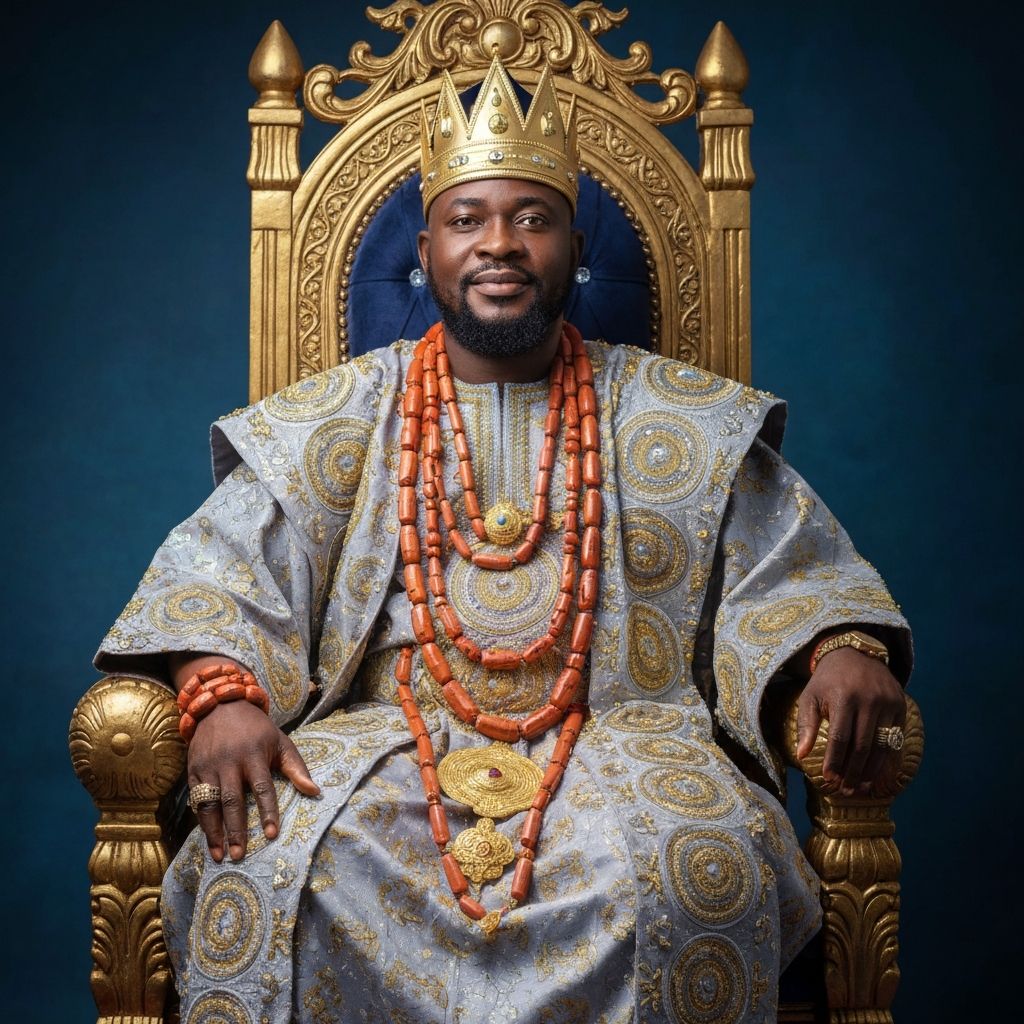
Ọ̀ràngún
Founder & First Orangun of Ila
15th Century
Founded Ila-Orangun after migrating from Ile-Ife. Established the royal dynasty and governance structures that continue to this day.
The Orangun title and palace institutions he established have endured for over 500 years. His name is invoked in royal ceremonies and festivals.
19th Century
Period of consolidation and resistance during regional conflicts
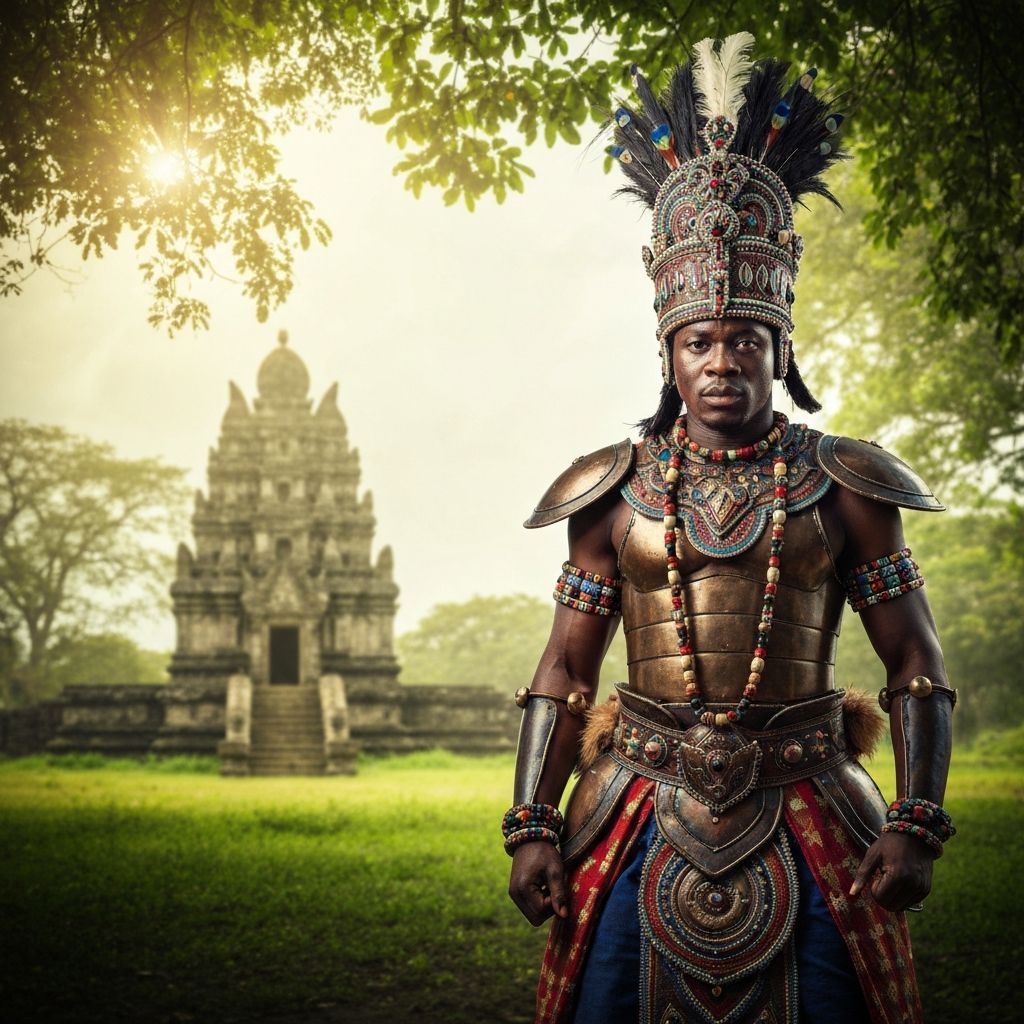
Orangun Ajagun-Nla
Warrior King & Defender
19th Century
Led Ila-Orangun's defense during the Yoruba wars. His military strategy and diplomatic skill protected the town from invasion and displacement.
Remembered as a symbol of resilience and courage. Annual ceremonies commemorate his leadership during turbulent times.
20th Century
Modernization while preserving cultural identity

Chief Samuel Akinola
Educator & Community Leader
1920-1998
Pioneered modern education in Ila-Orangun. Established schools and scholarship programs that educated generations of children.
His educational institutions continue to serve the community. Many prominent professionals credit their success to his vision.
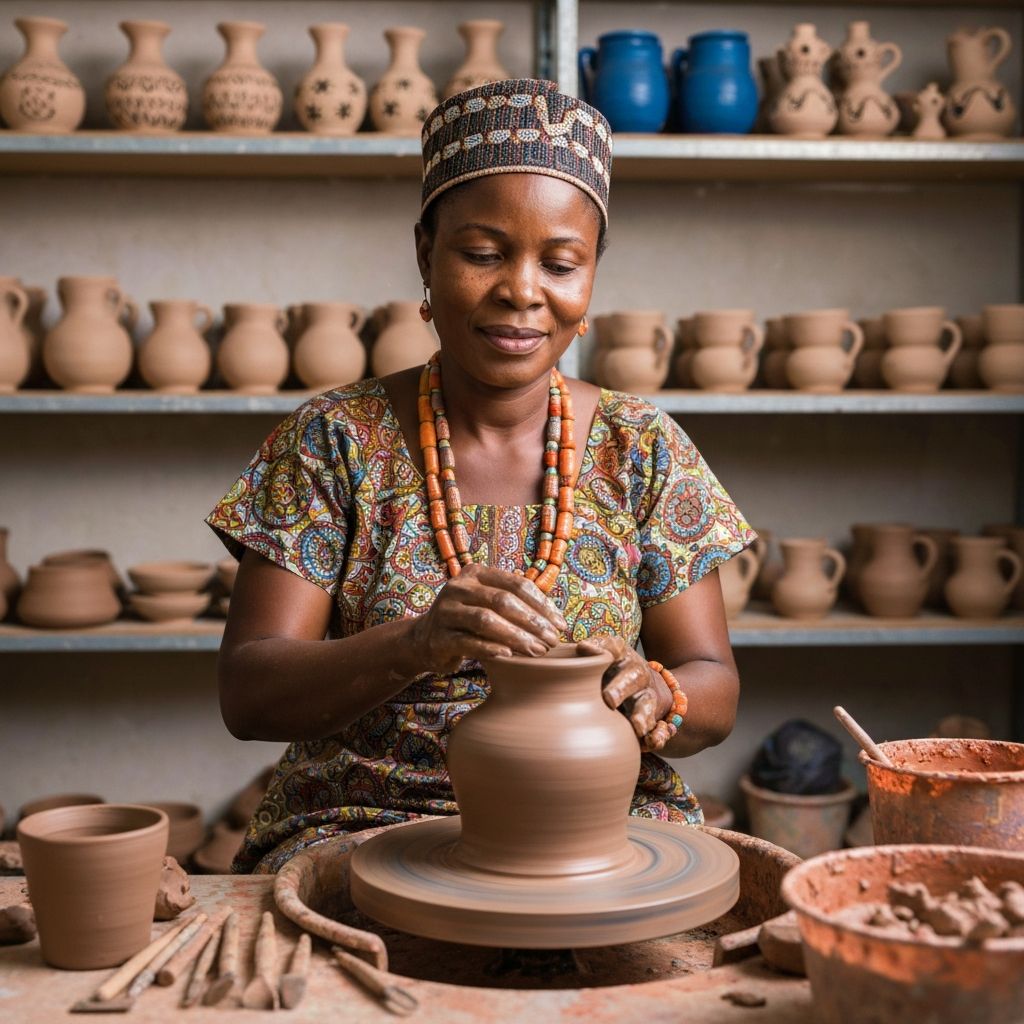
Madam Adunni Olayinka
Traditional Potter & Cultural Ambassador
1935-2015
Master potter who preserved traditional Ila pottery techniques. Trained dozens of apprentices and showcased Ila crafts internationally.
Her works are displayed in museums across Nigeria. She elevated pottery from utilitarian craft to recognized art form.
21st Century
Contemporary excellence in governance, business, and culture
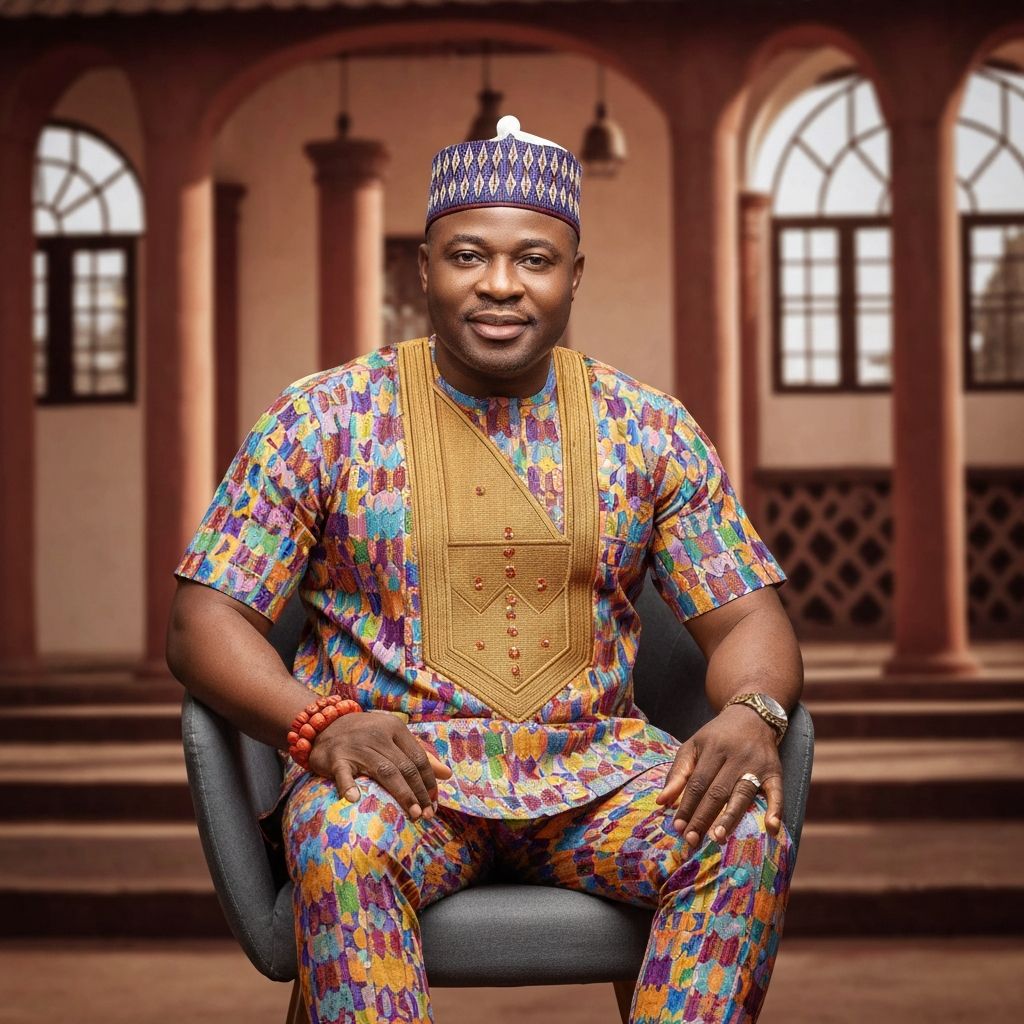
Orangun Wahab Kayode Oyedotun
Current Orangun of Ila
2016-Present
Modernizing traditional governance while preserving cultural heritage. Promoting education, youth empowerment, and economic development.
Known for bridging tradition and modernity. His initiatives have attracted investment and development projects to Ila-Orangun.

Dr. Folake Ajayi
Medical Doctor & Healthcare Advocate
1975-Present
Established healthcare clinics serving rural communities. Her medical outreach programs have improved maternal and child health outcomes.
Trains community health workers and advocates for accessible healthcare. Her work has saved countless lives across Osun State.
Opportunities & Engagement
Cultural Festivals and palace and traditional institutions.
Cultural festivals and palace and traditional institutions.
Investment
Agribusiness and small-scale manufacturing and trade.
Community Engagement
Town development associations and diaspora participation in local projects.
Living Directory
Education
- Primary and secondary schools
Healthcare
- Primary healthcare centers
- Private clinics
Services
- Local markets
- Artisans and service providers