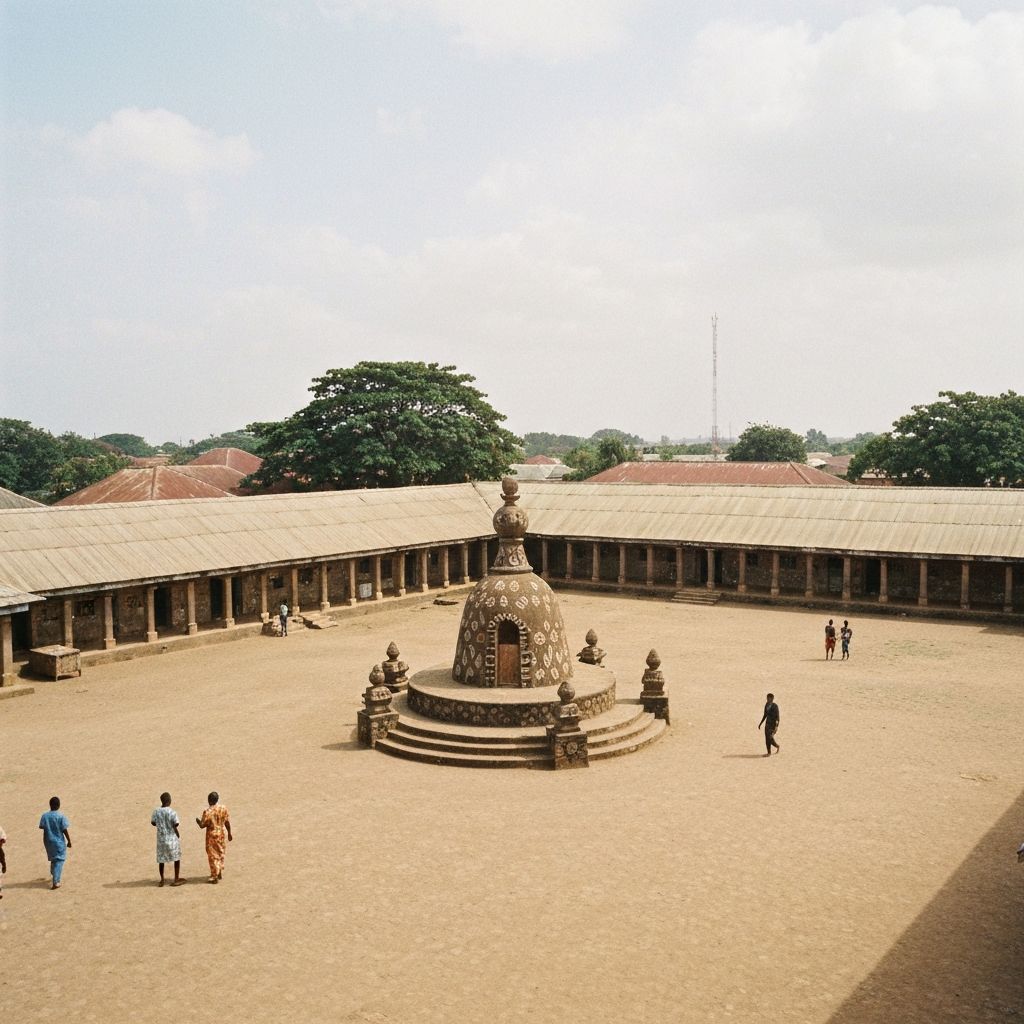
Ile-Ife
Osun State - Ife Central, Ife East, Ife North, Ife South
Ile Owuro, Orirun Yoruba - The Cradle of the Yoruba Race. The sacred city from which all Yoruba kingdoms originated, home of Oduduwa and classical African art.
Historical Timeline
c. 9000 BCE - Stone Age Origins
Skeletal remains at Iwo Eleru cave near Isarun dated to around 9,000 BC suggest ancient forest habitation by early humans. Similar Stone Age archaeological remains discovered at Asejire in Oyo State. These may represent distant ancestors of Yoruba autochthones. Archaeological work by Paul Ozanne dates continuous human occupation of Ife to c. 350 BC (4th century BCE), making it one of the longest continuously inhabited centers south of the River Niger. SOURCE: Shaw (1969), Ozanne (1969).
c. 4th Century BCE - 900 CE: The Igbomokun Confederacy
Ancient Ife, also called Igbomokun or Ife Oodaiye, consisted of 13 autonomous village-communities forming a loose confederacy: Ido, Iloromu, Ideta Oko, Odun, Horan, Oke-Oja, Imojubi, Iraye, Ijugbe, Oke-Awo, Iwinrin, Parakin, and Omologun. Each settlement had its own territorial chief (priest-king) with ritual authority over land and deities. Leadership rotated among settlement heads. The confederacy spoke proto-Yoruba language (linguistic studies by Armstrong suggest Yoruba-Idoma separation 6,000 years ago). Sophisticated monarchical political culture with crowned rulers already existed. Ikedu oral school preserved ancient history in archaic language. SOURCE: Olomola (1992), Armstrong (1964).
c. 900-1000 CE: The Oduduwa Revolution
The most transformative event in Ife history. Oduduwa's group conquered the indigenous Obatala-led confederation after prolonged battles, monopolizing symbols of royalty (Are crown) and establishing the first dynastic centralized state. The revolution involved violent conflict - traditions describe how Oduduwa defeated Obatala when the latter got drunk on palm wine. Aboriginal groups formed underground resistance cult called 'Intole' to preserve indigenous institutions and land mysteries. Post-conquest power-sharing emerged: Oduduwa dynasty held political authority while aboriginals maintained ritual connections to land and deities. Medieval defensive wall built (averaging 4.6m high, 1.6m thick) encircling clustered settlements. Six key personages shaped this epoch: Oranfe, Obatala, Oduduwa, Osangangan Obamakin, Obalufon Alaiyemore, and Oranmiyan. SOURCE: Akinjogbin & Obayemi (1992).
c. 1000-1200 CE: State Formation Under Early Dynasty
Oduduwa moved capital from Omologun to Idio (hilly region), creating the Aafin (palace) concept. Integration of aboriginal groups through intermarriage and role differentiation - chiefs assigned as patrons of occupations: Ogun Ladin (blacksmiths), Elesije (physicians), Agbonniregun (diviners), Olokun (traders), Obagede (agriculture). This system enabled unprecedented intellectual, industrial and commercial development. Bronze casting and glass bead industry emerged as royal monopolies. Yam cultivation pioneered by Orisateko, plantain by Obagede. Development of long-distance trade routes - Ifa divination poetry describes Oduduwa as trader exporting kola nuts northward, importing horses. Ipetumodu founded as toll-collection point at 'The Greater Gate' opening north. SOURCE: Adediran (1992), Horton (1992).
11th-14th Century: Golden Age of Classical Art
Peak of Ife civilization with production of highly naturalistic terracotta, stone, and copper-alloy (bronze) sculptures using lost-wax (cire perdue) technique. Leo Frobenius discovered these in 1910, proclaiming Ife the 'mysterious Atlantis.' Major excavation sites: Wunmonije Compound (Obalufon mask, crowned heads), Ita Yemoo (Ooni and queen figure interlocking arms/legs), Iwinrin Grove (striated terracotta heads), Olokun Grove (glass crucibles, beads), Odo Ogbe Street, Obalara, Ore Grove (stone Idena figures). Obalufon credited with introducing bronze casting to Ife. Glass bead production flourished - blue tubular iyun and red cylindrical segi types. Guild system controlled craft production and marketing. Carbon dating places artistic florescence 1200-1400 CE. The naturalism rivals Greek and Roman portraiture. SOURCE: Olapade (1992), Willett (1967), Frobenius (1968).
Wars & Military History
Journey through the dramatic military conflicts that shaped Wars & Military History across centuries of Yoruba history
Geography & Environmental Characteristics
Strategic Geographic Position
Ile-Ife occupies a unique position almost due south of the eastward bend in River Niger below Bussa, in the middle of a marked northward bulge of the forest. This made it the shortest overland route from the Niger Bend to both the forest products and the seaboard. The configuration meant traders traveling more than 100-150 miles further downstream would find no shorter route. This geographical advantage positioned Ife as ideal commercial center connecting savanna and forest zones.
The Valley and Hills
Ife lies in a high bowl (spherical valley) surrounded by steep-sided hills with only few areas receiving enough year-round rain. The hills protected lands from erosion when forest cover was stripped, while maintaining reasonable drainage. Out of rainy season, lands benefited from moisture of fogs and clouds condensing on hills and draining into bowl. Nutrient substances washed down from hills' weathering process, giving Ife environs more-than-average agricultural potential. Rivers flowed out through gaps in the hills.
Historic Quarters & Settlements
Present-day quarters show remarkable continuity with pre-Oduduwa villages: Sabo and Eleyele quarters correspond to ancient Hare and Esije; Koiwo and Oronna to Iwinrin; OAU campus to Omologun. Ideta communities (Hale, Ilesun, Ilia) remained identifiable until recently. After Oduduwa's urbanization, settlements clustered around his Idio base (hilly region), creating cohesive town within encircling wall. The Aafin (palace) concept emerged—Oduduwa assumed title 'Olofin' (one who lives in Aafin), becoming distinguishing mark of his dynasty.
Agricultural Advantages
Bowl geography provided superior conditions for cultivation. Protected from erosion, well-drained, moisture-retentive soils supported year-round agriculture. Orisateko ('Orisa that established farming') first brought ewura yams (Dioscorea alata), then ako isu (D. cyenensis and D. rotundata) after complaints first type was too soft. Obagede earned title 'King of Plantains' for cultivation prowess. Ancient crops included kola nuts (obi abata - cola acuminata; orogbo - Garcinia kola) and palm products (ope - Elaeis guineensis; igi ogoro - Raphia vinifera).
Natural and Heritage Features
- Opa Oranmiyan - Ancient granite monolith (Oranmiyan's Staff)
- Esinminrin River - Sacred river, principal goddess in pre-Oduduwa era
- Oke Ora - Site of Oranfe's hamlet, first confederacy leader
- Ideta-Oko and Ideta-Ile - Obatala's settlements after defeat
- Otubu Lake - Where Oranmiyan poured palm wine to intoxicate enemies
- Medieval Wall remains - 4.6m high, 1.6m thick encirclement
- Multiple shrine sites - Obalufon, Osangangan Obamakin, Obameri, Ore Grove (housing Idena granite figure)
- National Museum Ife - Housing classical terracotta and bronze artifacts
- Ife Museum (OAU) - Archaeological collections
- Moremi Ajasoro Statue - Modern monument to ancient heroine
Governance & Traditional Administration
The Ooni and Sacred Kingship
The Ooni inherited supreme authority from Oduduwa, monopolizing the Are (symbol of royalty) and residing in the Aafin (palace). Position combines spiritual, judicial, and political roles. Ooni serves as link between living and ancestors, custodian of sacred objects, and arbiter of community welfare. Installation ceremony involves complex rituals at multiple shrines. The Ooni cannot be seen eating publicly and observes numerous taboos reflecting sacred status. Despite political dominance by Oyo (16th-19th centuries), all Yoruba kingdoms continued acknowledging Ooni's spiritual supremacy.
Council of Chiefs & Role Differentiation
Pre-Oduduwa village heads were incorporated into centralized chieftaincy system with specific duties. Chiefs assigned as patrons of occupations: Ogun Ladin (blacksmiths), Elesije (physicians), Agbonniregun (diviners), Olokun (traders), Obagede (agriculture). System represented crucial step toward role differentiation enabling unprecedented intellectual, industrial, and commercial development. Chiefs formed councils advising Ooni on policy, settling disputes, and managing specific town sectors. Some aboriginal groups retained ritual roles over indigenous cults and de facto land ownership despite political subordination.
The Intole Cult & Underground Resistance
After Oduduwa takeover, aboriginal groups formed underground resistance cult called 'Intole' (meaning uncertain), open only to those bound by land ownership. Initially weak, it became significant force preserving indigenous institutions. Members continued performing spiritual duties over land and physical features, which Oduduwa dynasty couldn't usurp without land mysteries knowledge. This created power-sharing arrangement—new dynasty held political authority while aboriginals maintained ritual connections to land and deities.
Age-Grade System & Social Organization
Villages like Ijugbe divided into quarters (Ipa, Eranyiba, Igbogbe, Ita Asin) with strict age-grade based division of labor. Each quarter headed by Elejugbe/Obalejugbe. Titles like Eteko ('farm founder'), Orisateko, Aosu ('producer of yam in dry season') reflected economic hierarchy. Priest-kings charged with rain control, yam seed introduction, palm-wine tapping. System balanced gerontocratic principles with practical economic needs.
Modern Governance Structure
Contemporary Ile-Ife maintains dual governance: traditional institutions headed by Ooni alongside modern local government administration across four LGAs (Ife Central, East, North, South). Town unions, age-grade associations, and lineage groups participate in community development, dispute resolution, and cultural preservation. Obafemi Awolowo University contributes to town's intellectual and policy discourse. Balance between tradition and modernity remains dynamic tension in urban management.
Economic History & Development
Agricultural Foundation (900-1500 CE)
Ife's geographical advantages (bowl surrounded by hills, watershed position, moisture retention, nutrient-rich soils) provided more-than-average agricultural potential. Yam cultivation pioneered by Orisateko who first brought ewura yams (Dioscorea alata), then ako isu (D. cyenensis and D. rotundata) after complaints first type was too soft. Obagede earned title 'King of Plantains' for cultivation prowess. Ancient crops included kola nuts (obi abata - cola acuminata; orogbo - Garcinia kola), palm products essential to Ifa divination rituals. Lajamisan Oseganderuku (7th-9th Ooni) praised as one who 'reduces thick jungle to open space,' suggesting excellence in clearing farmland. Agricultural success facilitated large population growth and surplus to maintain non-agricultural specialists.
Long-Distance Trade Networks (900-1500 CE)
Ife's position almost due south of Niger Bend, in middle of northward bulge of the forest, made it the shortest overland route for traders extracting forest products or reaching seaboard. Ifa divination poetry describes Oduduwa as trader exporting kola nuts northward, bringing numerous horses into Yorubaland in return—hint at economic foundation of early Ife state. Ipetumodu tradition says Akalako (Oduduwa follower) was sent to guard 'Ighodo Nla' (Greater Gate opening north) and collect tolls from entering/leaving traders. Trade in forest products (kola, palm oil, ivory) exchanged for savanna goods (horses, textiles, metal goods) created commercial prosperity enabling cultural florescence.
Craft Industries & Royal Monopolies (11th-15th Century)
Bronze/brass casting associated with Ogun cult as royal prerogative—most bronze figures represent royal court members, finds made near palace vicinity. Lost-wax technique of exceptional skill. Obalufon credited with introducing bronze casting art to Ife. Bead industry featured blue tubular iyun and red cylindrical segi types, with Olokun (sea goddess, one of Oduduwa's wives) as patron deity. Guild system carefully controlled production and marketing. Iron manufacturing centered on Ogun Ladin shrine within Aafin precincts, with known oko ota (iron stone) sites. Glass bead production using indigenous technology—crucibles and various colored/sized beads excavated. Carving in wood, ivory, stone; pottery; textile weaving. Each craft had patron deity and professional guild.
Economic Decline (15th-18th Century)
As political power shifted to Benin then Oyo, Ife's economic dynamism diminished but didn't disappear. Long-distance trade continued through offspring kingdoms maintaining connections. Bronze casting declined significantly—Leo Frobenius noted early 20th century that Ife wasn't known for farming, suggesting economic transformation. Trans-Atlantic slave trade (mid-15th to late-19th century) largely bypassed Ife due to geographical position, surrounded by other Yoruba peoples who discouraged foreigners 'prying into collective secret.' Yoruba belief that Ife was synonymous with heaven meant Ife citizens were 'held sacred by outsiders'—hardly anyone would consent to buying Ife slaves.
19th Century Economic Devastation
Political instability (1810-1825 wars, 1849-1858 and 1882-1893 evacuations) devastated economy. Hinderer meeting Ooni Kumbusu 1858 found him 'in very humble abode close by ruins of palace, shed about 20 feet long by 8 feet wide...conversation very brief, perhaps affected more than real on account of misfortunes.' By 1859, remarkable recovery: 'much of town rebuilt...king taken possession of Afin—Palace—and has staff of elders and officers round him in good old style.' Ibadan pax (1854-1878) allowed economic recovery. Oke-Igbo settlement under Derin flourished. In 1872, Derin offered to clear obstacles to free navigation of River Oni enabling Lagos traders to reach Oke-Igbo and Ondo. Ife presented ivory, mats, kola nuts to Governor Glover. Exportable commodities noted 1887: rubber vine, indigo plant, gum tree, silk worm. Derin told Hewett (1880) he had ivory, cotton, palm kernels, palm oil for export. 1886 evacuation reduced Ife to economic nadir—Rev. Philip found farming still practiced but productivity 'almost nil,' people unable to buy European imports. Bronze casting got 'such death knock during century that it has not yet recovered till now.'
20th Century Recovery & Modern Economy
Gradual recovery post-1894 under British colonial administration. Infrastructure development (roads, schools). Founding of University of Ife (1962, now Obafemi Awolowo University) transformed town into educational center, creating education-driven service economy. Modern economy includes: agriculture and produce trading, small/medium enterprises, hospitality and cultural tourism (museums, festivals, sacred sites), educational services linked to university. Investment opportunities in agribusiness/food processing, hospitality/cultural tourism, research services. Heritage tourism centers on National Museum Ife, classical art sites, festivals (Olojo), sacred groves.
Culture, Festivals & Religious Life
The Concept of Ife as Orirun
Central to understanding Ife's position is concept of 'Orirun'—literally 'fountain of existence,' 'head of heaven,' 'beginning of straightness,' or 'place of destruction.' It means prime origin of animate/inanimate being to which essence returns after death. As source of one's being, place to return when tired of 'sojourning' elsewhere. As final resting place after death, place bound to return to. Thus Orirun is both physical and spiritual, temporal and eternal, finite and infinite, real and imaginary. Ife as Orirun was physical place from which all Yoruba and Obas believed they migrated (entitled to return) and spiritual eternal place where souls ultimately rest. This explains why Edo word 'Uhe' means both Ile-Ife and heaven. Among Yoruba, when old man dies, said to have 'gone to Ife.' People believed going to Ile-Ife, likely to meet relative who'd long died. This unchanging status explains why, after 16th century, Ife maintained place of honor despite rise of Oyo and Benin empires.
Language & Ancient Texts
Primary language is Yoruba, with Ife/Central Yoruba dialect closest to proto-Yoruba. Oyelaran's linguistic study asserted Ife, Ijesa, Ekiti represent 'original home of Yoruba people.' Differentiation in speech/dialect configurations may have happened about two millennia ago. Archaic words preserved in Ikedu texts (ancient school for teaching Ife history). Though Ikedu adepts died out, survivals of ancient language remain, especially in Ekiti where Dallimore (1930s) observed 'numbers of words still being used which do not appear to have any connection with Yoruba'—meaning standard Yoruba he knew from Oyo years. This linguistic evidence supports Ife's extraordinary antiquity.
Major Festivals & Ceremonies
OLOJO FESTIVAL: Most important annual festival commemorating creation and Oduduwa's sacred kingship. Ooni wears Are crown (ancient symbol of authority originally seized from Obatala, remade by Obalufon). Elaborate processions, sacrifices, renewal of covenant with ancestors/deities. ITAPA FESTIVAL: Re-enacts revolt/conflict between Oduduwa and Obatala groups. Details indicate Obatala became overbearing after leadership given him; Oduduwa exploited situation organizing coup with disgruntled elements. Shows long-drawn series of battles. On 7th day, elaborate rituals are preventions against smallpox epidemic (suggesting disease outbreak aided Obatala defeat). Night before major players commemorate settlement and re-enactment of Obatala's return to Ile-Ife, with 'weeping and laments' over loss of Are. Ooni visits shrine to renew vows this same night. EDI/MOREMI FESTIVAL: Honors Moremi Ajasoro, heroine who sacrificed freedom to save Ife from Igbo raiders (aboriginal resistance movement). Annual commemoration of her courage and strategic wisdom. NEW YAM FESTIVALS: Egbodo Ooni and Egbodo Erio (both held in May) honor agricultural heritage and continuation of ancient Orisateko cult. DEITY-SPECIFIC FESTIVALS: Various throughout year for Obatala, Ogun, Olokun, Oramfe, and other oriṣa.
Traditional Dress, Food & Arts
Indigenous attire includes aṣọ‑òkè (handwoven cloth), royal regalia with beaded crowns (oro/mitre hats adorned with iyun and segi beads), traditional Yoruba robes. Women wear iro and buba with gele (headwrap). Traditional cuisine features Yoruba staples: pounded yam, amala, eba, various soups (egusi, ewedu), beans dishes. Palm wine significant in traditions (features in Oduduwa-Obatala conflict story). Strong artistic traditions in sculpture (legacy of classical era), beadwork (Olokun guild traditions continue), carving (wood, ivory, stone), pottery, brass-work, music (drumming, oral poetry/oriki), textile weaving.
Belief Systems & Religious Syncretism
Ile-Ife remains major center of indigenous Yoruba spirituality. Deep reverence for oriṣa traditions: Oduduwa (supreme ancestor), Obatala (creator deity), Ogun (iron/war deity), Olokun (wealth/sea goddess), Oramfe (supreme being in pre-Oduduwa era), Orisateko (agriculture), and numerous others. Ifa divination system with Agbonniregun/Orunmila as patron. Sacred groves, shrines, and natural features maintain ritual significance. Intole cult preserves indigenous land-based spiritual practices. Islam and Christianity introduced later periods, creating syncretic practices. Many Ife citizens maintain simultaneous allegiance to indigenous beliefs and Abrahamic faiths. Annual cycle of festivals maintains connection with spiritual heritage while accommodating modern religious diversity.
Notable Historical Figures & Contemporary Leaders
Foundational Figures (Pre-1000 CE)
- Oranfe - First leader of aboriginal confederacy, head of Oke Ora hamlet
- Obatala/Orisanla - Last leader of pre-Oduduwa confederacy, head of priestly order
- Oduduwa - Founder of dynastic state, established royal lineage
- Ogun Ladin - First blacksmith, pioneered iron technology
- Agbonniregun/Orunmila - Master diviner who hosted Oduduwa group
- Orisateko - Pioneered yam cultivation, brought crops 'from heaven'
- Obagede - Titled 'King of Plantains' for cultivation excellence
- Olokun - Patron of bead industry, associated with wealth and sea
Early Dynastic Period (1000-1500 CE)
- Obalufon Alaiyemore - Introduced/perfected bronze casting art, created Are crown replica
- Oranmiyan - Son of Oduduwa, founded Benin and Oyo dynasties, established wider Yoruba kingdom network
- Lajamisan Oseganderuku - Successful farmer (7th-9th Ooni), all subsequent Ooni descended from him
- Moremi Ajasoro - Legendary heroine who infiltrated and exposed Igbo raiders' secrets, saving Ife
19th Century Leaders
- Ooni Akinmoyero Odunlabiojo - Welcomed Oyo refugees, laid foundation for Modakeke settlement
- Okunade (Maye of Ife) - Led allied forces against Owu, became first military ruler of Ibadan
- Ooni Abeweila - Created Modakeke settlement 1847, poisoned by subjects 1849
- Ooni Kumbusu - Longest 19th-century reign (1850-1877), presided over recovery under Ibadan pax
- Derin Ologbenla - Wealthy military leader, Ooni-elect/regent 1878-1893, held Oke-Igbo
Sacred Monuments & Ancient Shrines
Explore the legendary monuments that stand as eternal witnesses to Ile-Ife's glorious past and spiritual power
Ọpá Òrànmíyàn
The Mystical Staff - Africa's Tallest Ancient Monument
Ògún Láàdìn Shrine
The Celestial Blacksmith & Supreme Judge
Hall of Fame
Ancient Era (Mythological Period)
The foundation of Ife and establishment of the Ooni dynasty
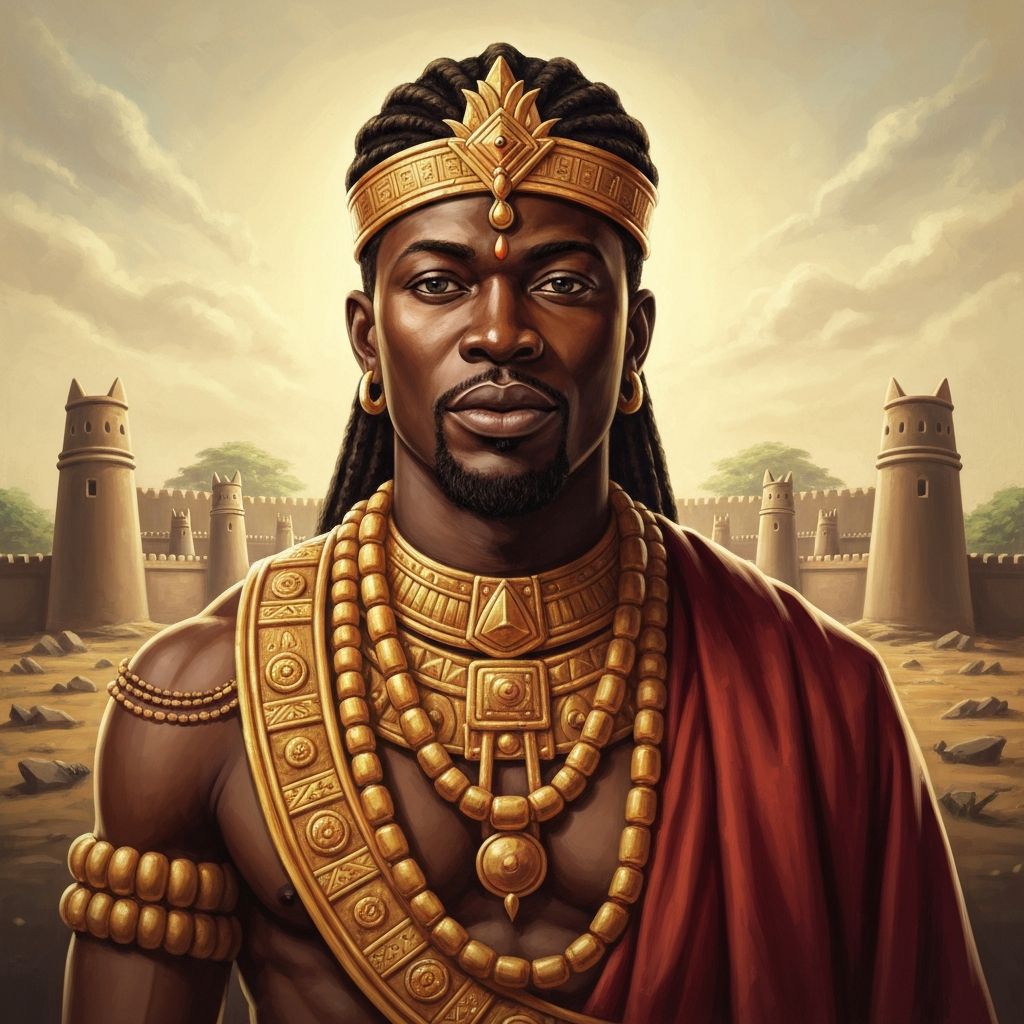
Oduduwa
First Ooni of Ife & Progenitor of the Yoruba
Unknown (Mythological)
Revered as the founder of the Ife Kingdom and father of the Yoruba race. According to Yoruba mythology, Oduduwa was sent by Olodumare from the heavens to create the earth at Ile-Ife. He unified 13 independent communities into a single kingdom, establishing the royal lineage of the Ooni.
Oduduwa remains central to Yoruba spirituality and identity. His descendants became rulers of various Yoruba kingdoms. He is both a divine and historical figure, bridging myth with the early development of the Yoruba people.
Medieval Period
Era of the legendary female Ooni who broke traditional gender barriers
Queen Luwoo Gbagidi
The Only Female Ooni of Ife
Unknown (21st in succession)
The only woman to ever hold the title of Ooni, breaking traditional male dominance. She ruled with great influence and authority, creating lasting infrastructure including special pottery and quartz pebble pavements that still exist in Ife today. She enforced strict cleanliness standards and treated all subjects equally, regardless of status.
Queen Luwoo's reign demonstrated female leadership capability in traditional governance. Her attention to beauty, environmental cleanliness, and urban planning left lasting physical and cultural imprints on Ile-Ife. However, her strict leadership led elders to decree that no woman would be allowed to become Ooni again after her reign.
16th-18th Century
Era of cultural consolidation and artistic excellence
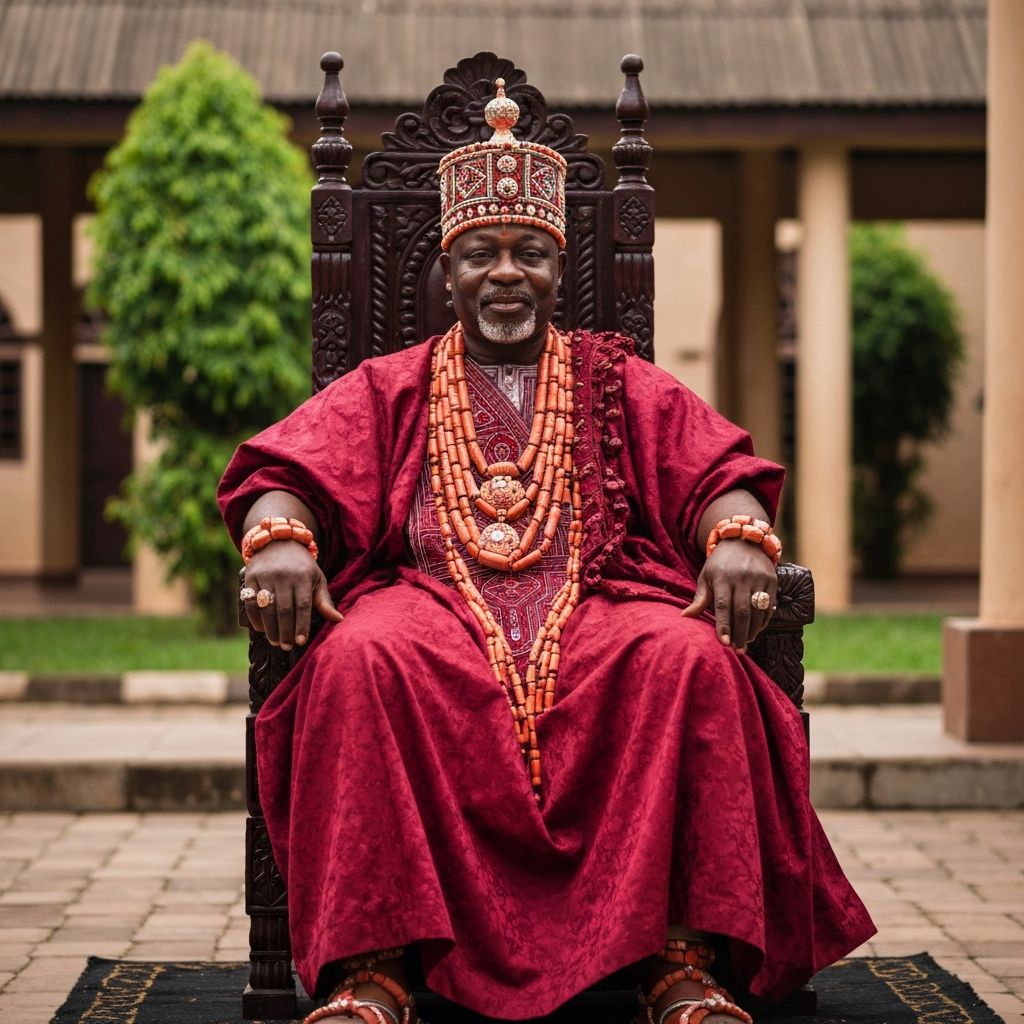
Ooni Aworobi
Traditional Ruler & Cultural Preserver
16th Century
Strengthened the spiritual and political authority of the Ooni during a period of regional transformation. Maintained Ife's status as the spiritual capital despite political shifts.
His reign is remembered for preserving sacred traditions and diplomatic relations with emerging Yoruba kingdoms.
19th Century
Period of resilience and adaptation amid colonial pressures
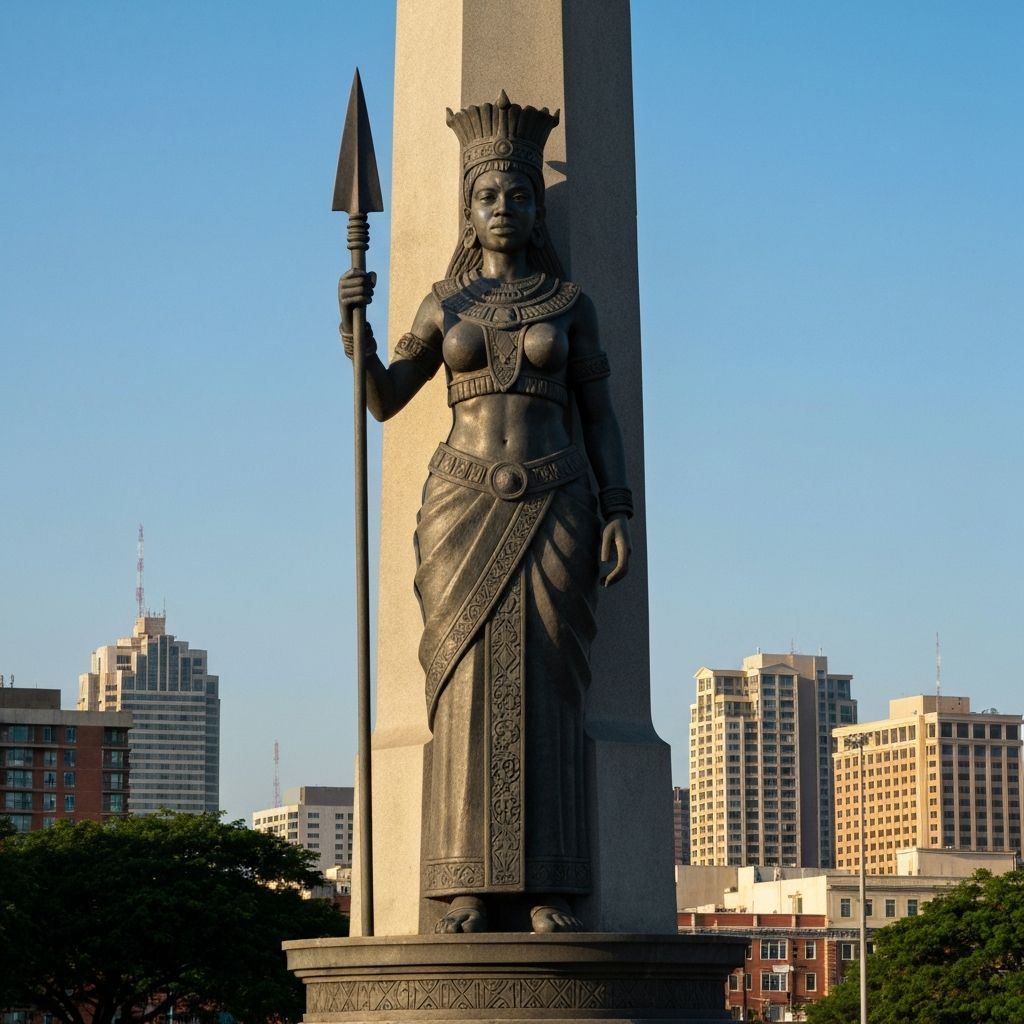
Moremi Ajasoro
Legendary Heroine & Queen
Pre-Colonial Era
Sacrificed her freedom to save Ile-Ife from invaders. Her courage and strategic wisdom became legendary across Yorubaland.
Moremi is celebrated annually during the Edi Festival. A towering statue in her honor stands in Ile-Ife, symbolizing bravery and selflessness.
20th Century
Era of modernization, education, and intellectual leadership
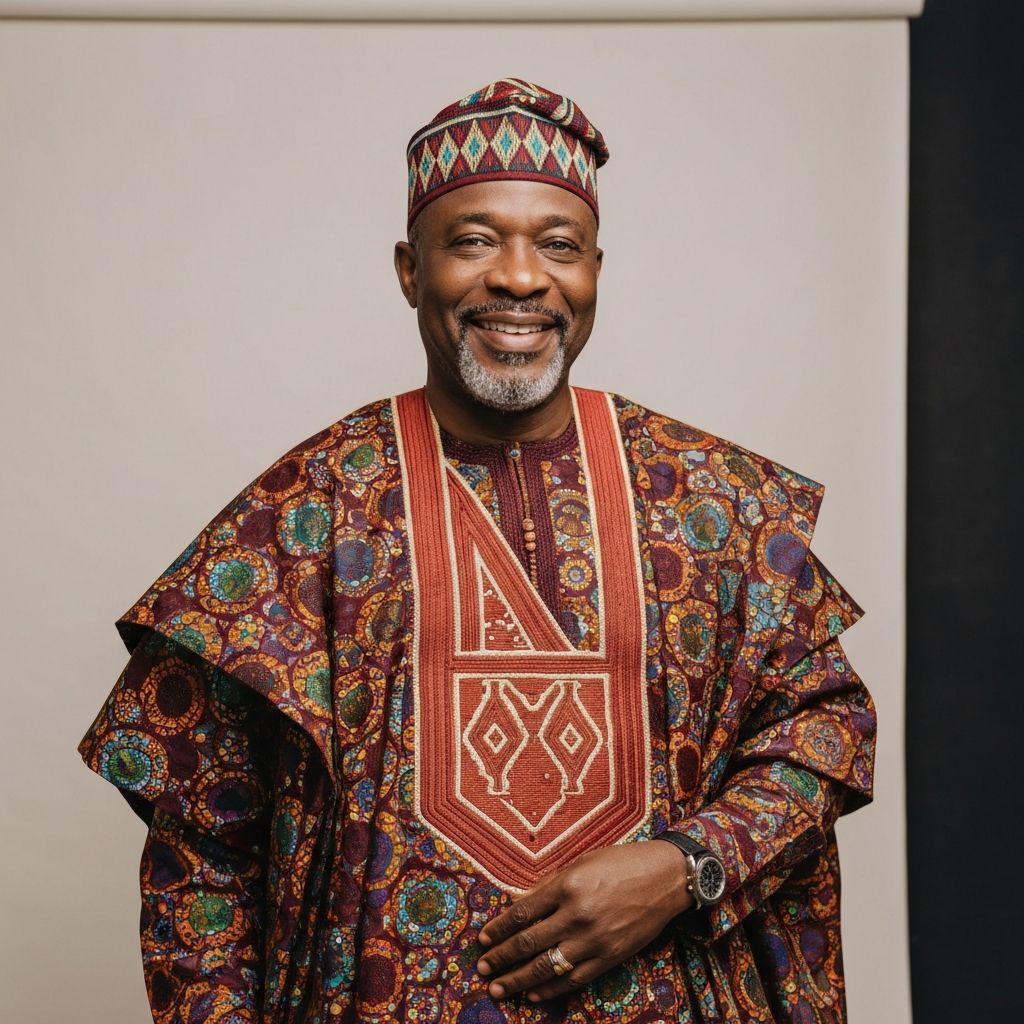
Professor Adeyinka Faleti
Actor, Poet, Author & Broadcaster
1929-2017
Pioneered Yoruba language broadcasting and literature. His radio dramas, poetry, and novels enriched Yoruba cultural expression.
Faleti's work preserved and promoted Yoruba language and traditions. He is remembered as a cultural ambassador and educator.
21st Century
Contemporary leaders in arts, academia, and innovation
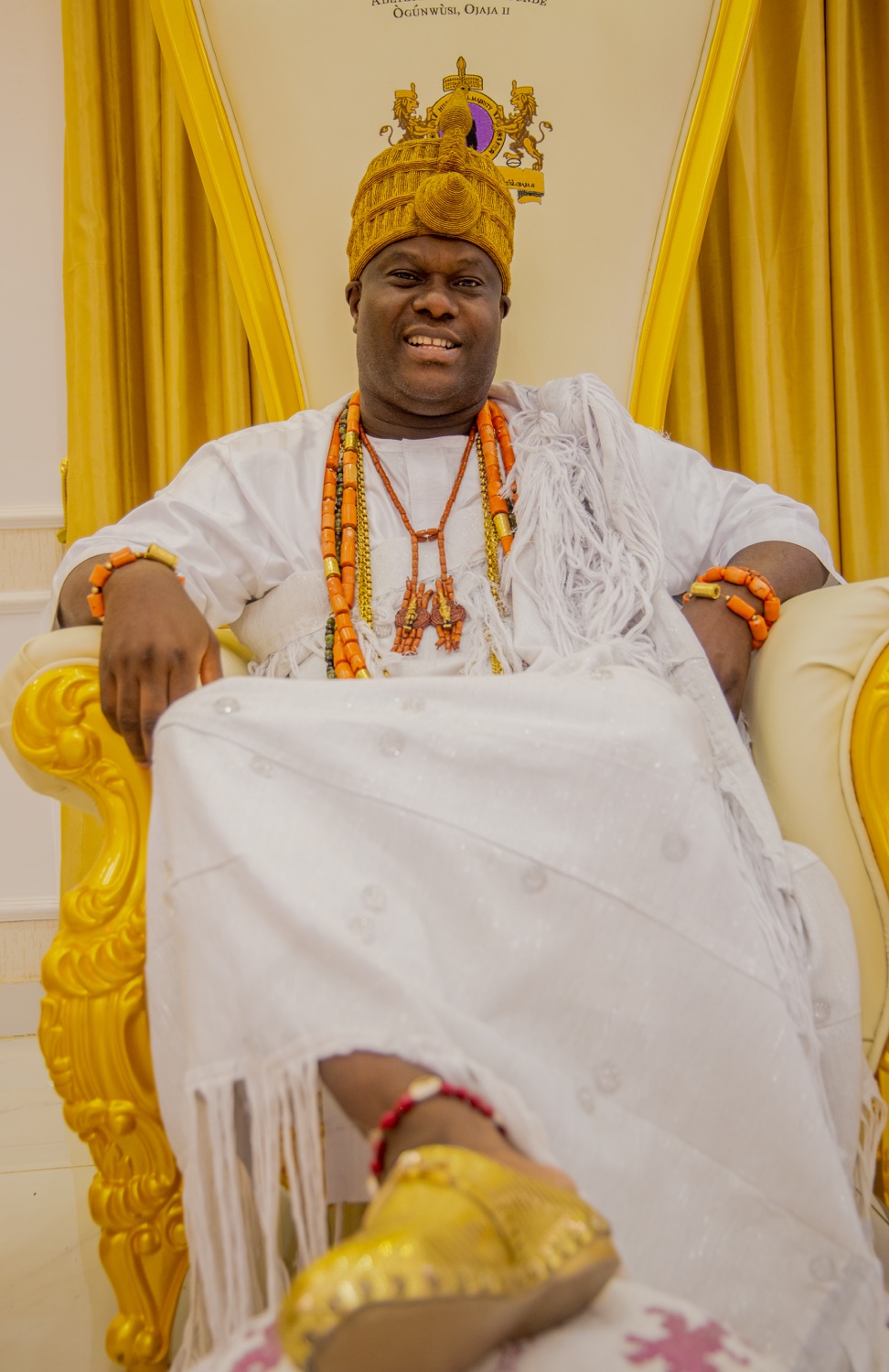
Ooni Adeyeye Enitan Ogunwusi (Ọjájá II)
51st Ooni of Ife
2015-Present
Born October 17, 1974, he ascended to the throne on October 26, 2015, and was officially crowned on December 7, 2015. As a trained accountant and member of the Institute of Chartered Accountants of Nigeria, he brought modern management to traditional leadership. He has focused on tourism development, urban renewal, and youth empowerment initiatives. Through the House of Oduduwa Foundation and Hopes Alive Initiative, he supports charitable causes across Nigeria.
Known for hosting global peace summits and promoting African culture internationally. His reign emphasizes cultural diplomacy and economic development. He received the Commander of the Order of the Federal Republic (CFR) award in October 2022 for his contributions to society and traditional institution modernization.

Dr. Akinwumi Adesina
President, African Development Bank
1960-Present
Former Nigerian Minister of Agriculture who revolutionized farming through innovative policies. As African Development Bank President since 2015, he has transformed development finance across Africa, mobilizing billions for infrastructure, agriculture, and poverty reduction initiatives.
Received the World Food Prize in 2017 for his exceptional contributions to agriculture and food security. His leadership has positioned the AfDB as a key driver of African economic transformation and sustainable development.
Opportunities & Community Engagement
Heritage Tourism
Visit National Museum to view world-famous terracotta and bronze sculptures discovered from multiple excavation sites. Attend Olojo Festival (October) when Ooni wears Ancient Are crown. Explore sacred groves (Oduduwa, Olokun, Obatala shrines). View Opa Oranmiyan (ancient granite staff). Tour archaeological sites including Ita Yemoo, Iwinrin Grove, Wunmonije Compound areas. Experience Edi Festival honoring Moremi Ajasoro. Participate in New Yam Festivals (Egbodo celebrations). Engage local guides for historical walking tours through ancient quarters.
Investment Opportunities
HOSPITALITY: Hotels and accommodations for academic visitors, conference centers, restaurants showcasing traditional cuisine, cultural tourism packages. AGRIBUSINESS: Modern farming techniques on fertile Ife soils, food processing industries, palm produce processing, kolanut cultivation and trade. CREATIVE INDUSTRIES: Bronze casting revival and training, traditional bead-making using indigenous techniques, textile weaving (aṣọ‑òkè production), art galleries featuring contemporary Yoruba artists. EDUCATION SERVICES: Student housing, tutoring centers, bookstores, technology training institutes. RESEARCH: Archaeological documentation projects, linguistic preservation initiatives, cultural heritage digitization.
Academic & Research Collaboration
Partner with OAU departments (History, Archaeology, Fine Arts, Linguistics) on research projects. Access archives and special collections. Collaborate on excavation and preservation projects. Support oral history documentation initiatives. Fund archaeological surveys in unexplored areas. Fund conservation of classical art pieces. Establish research chairs in Yoruba studies.
Community and Diaspora Engagement
Join town development associations. Participate in heritage documentation projects. Support Ife students through scholarships. Contribute to restoration of historic sites. Sponsor cultural festivals and exhibitions. Establish mentorship programs connecting diaspora professionals with local youth. Fund infrastructure projects in ancient quarters. Support traditional crafts preservation. Engage in community health initiatives. Participate in governance through consultative forums.
Volunteer & Cultural Exchange
Teach at local schools. Document oral histories from elders. Assist in museum curation. Support archaeological excavations. Participate in festival organization. Mentor young artists and craftspeople. Contribute to digital archiving projects. Join environmental conservation efforts in sacred groves. Support literacy programs. Engage in cultural exchange programs bringing international visibility to Ife heritage.
Living Directory & Modern Amenities
Education
- Obafemi Awolowo University (founded 1962)
- Ooni Grammar School
- Various secondary schools
- Primary schools across four LGAs
- Research institutes and centers
Healthcare
- Obafemi Awolowo University Teaching Hospital
- Wesley Guild Hospital Ilesha (serving Ife)
- Private and public clinics
- Traditional medicine practitioners
Cultural & Heritage Institutions
- National Museum, Ife - Houses classical sculptures
- Ife Museum (OAU) - Archaeological collections
- Ooni's Palace (Ile Oodua) - Administrative and ceremonial center
- Multiple sacred groves and shrines
- Natural History Museum, OAU
Hospitality and Services
- Hotels and guesthouses
- Cultural tourism operators
- Craft markets and art galleries
- Traditional craftsmen (bronze casters, bead makers, weavers)
- Conference facilities at OAU