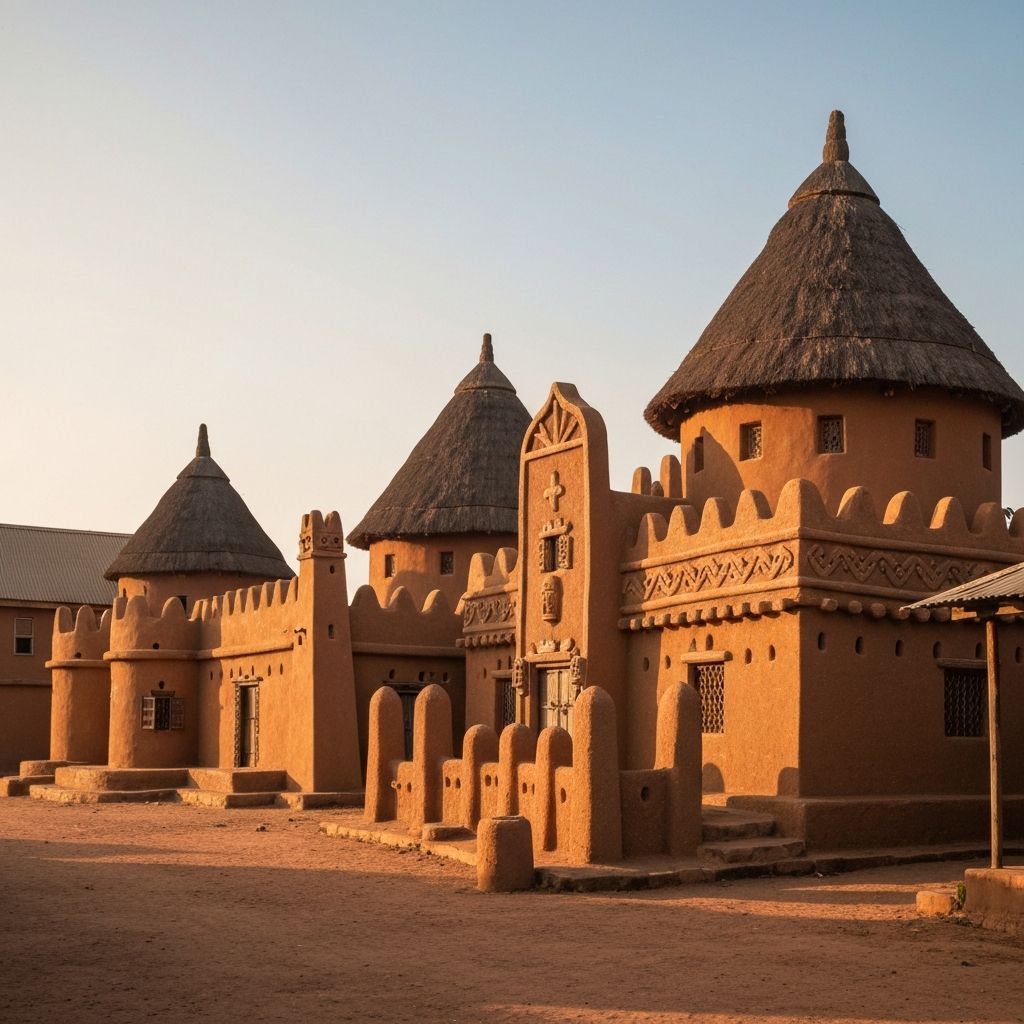
Iwo
Osun State - Iwo Local Government Area
Historic Yoruba town known for its resilient kingship, warrior heritage, and role in regional power shifts during late pre-colonial Yorubaland.
Historical Timeline
14th–15th Century CE
Oral traditions trace the origins of Iwo to migration waves from Ile-Ife, associated with royal and noble lineages seeking new settlements.
16th–17th Century CE
Formation of early Iwo settlements and consolidation of political authority. Emergence of town quarters and lineage-based governance structures.
18th Century CE
Iwo grows in strategic importance as regional conflicts increase across Yorubaland. Development of military capacity and defensive organization.
19th Century CE (Era of Wars)
Iwo plays a significant role during the Yoruba wars. The town becomes known for its warrior tradition and political resilience, maintaining continuity while many settlements are destroyed or displaced.
Late 19th Century CE
British colonial expansion reaches the region. Iwo is incorporated into colonial administration following the decline of inter-Yoruba warfare.
Perspectives on History
📜 Mythological Narratives
Oral history links Iwo's founding to descendants of Odùduwà from Ile-Ife. Narratives emphasize purposeful migration, divine sanction, and the establishment of kingship as a response to regional pressures. These traditions frame Iwo as a town forged through struggle and adaptability.
🏺 Archaeological Findings
Unlike early Yoruba urban centers, Iwo's rise aligns with later settlement expansion and political consolidation in the forest-savanna belt. Historical scholarship situates Iwo's prominence within the context of 18th–19th century conflicts, population movements, and military reorganization rather than early classical urbanism.
🔬 Scholarly Debates & Notes
Town Atlas Nigeria presents oral tradition and academic interpretation as complementary lenses. Oral narratives preserve identity and legitimacy, while academic perspectives explain structural and temporal development.
Geography & Places
Location and Environment
Iwo is located in western Osun State, within a forested zone favorable to agriculture and settlement.
Quarters and Settlements
The town consists of historic quarters tied to royal lineages, warrior houses, and occupational groups.
Notable Sites
- Oluwo's Palace
- Traditional town quarters
- Historic pathways and boundary markers
Governance & Institutions
Traditional Leadership
The traditional ruler is the Oluwo of Iwoland, a prominent Yoruba monarch whose authority reflects both kingship and historical military leadership.
Council of Chiefs
The Oluwo is supported by chiefs responsible for administration, ritual observance, and community order.
Community Institutions
Town unions, youth associations, and lineage groups remain active in governance and development.
Economy & Trade
Traditional Economy
Farming (yam, cassava, maize), trade with neighboring towns, and craft and artisanal work.
Contemporary Economy
Agriculture and produce markets, small and medium enterprises, and public administration and services.
Culture & Society
Language
Yoruba is the dominant language, spoken in local dialect forms.
Festivals and Ceremonies
Traditional kingship and warrior-related festivals and annual cultural celebrations tied to lineage and town history.
Social Values
Emphasis on bravery, communal solidarity, respect for authority, and adaptability in times of change.
People & Legacy
Historical Figures
- Early warrior-leaders associated with the formation of Iwo
Contemporary Sons and Daughters
Iwo has produced political leaders, professionals, and cultural figures of regional and national relevance.
Hall of Fame
16th-18th Century
Formation period and early settlement leadership
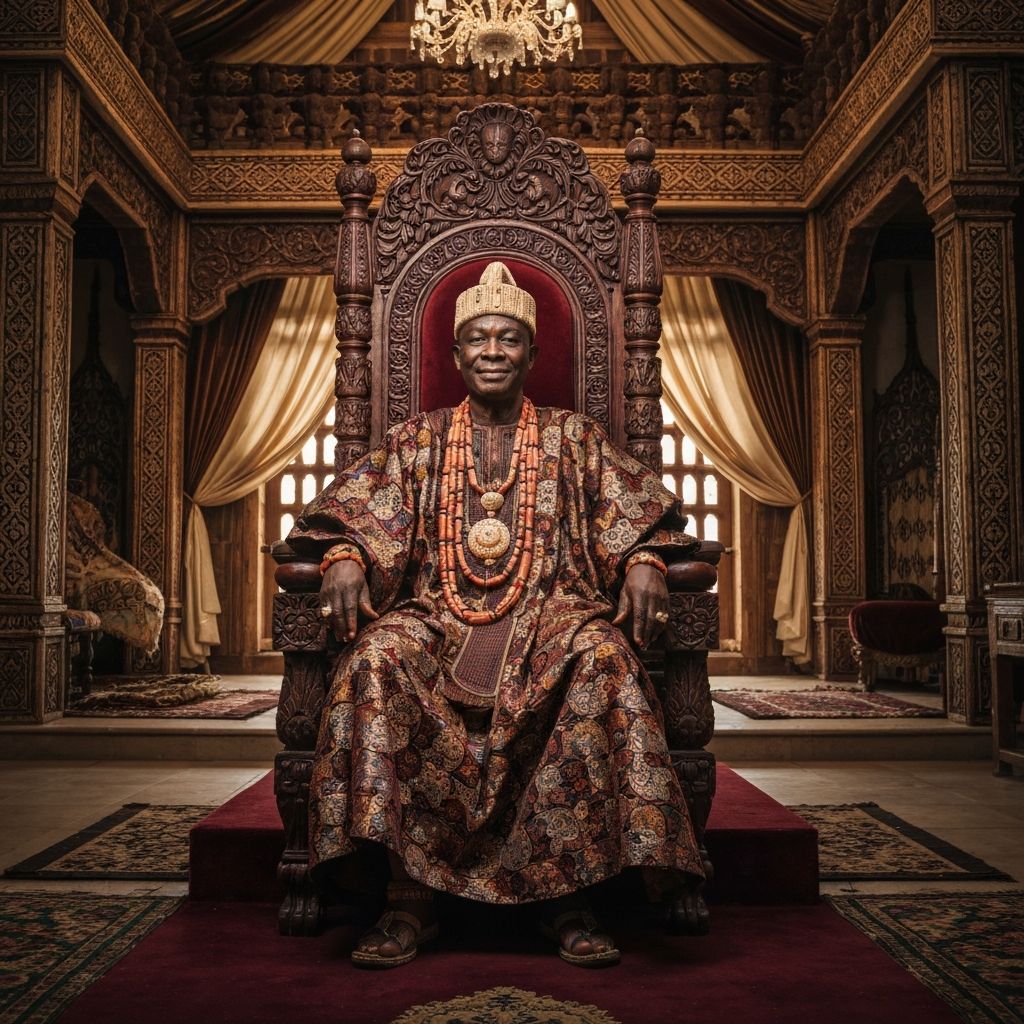
Adekola Telu
Founder & First Oluwo
16th Century
Founded Iwo and established its royal dynasty. Created the governance structures and territorial boundaries that defined the kingdom.
The Oluwo title and palace institutions he established remain central to Iwo's identity. His migration story is preserved in oral tradition.
19th Century
Era of military prominence during the Yoruba wars
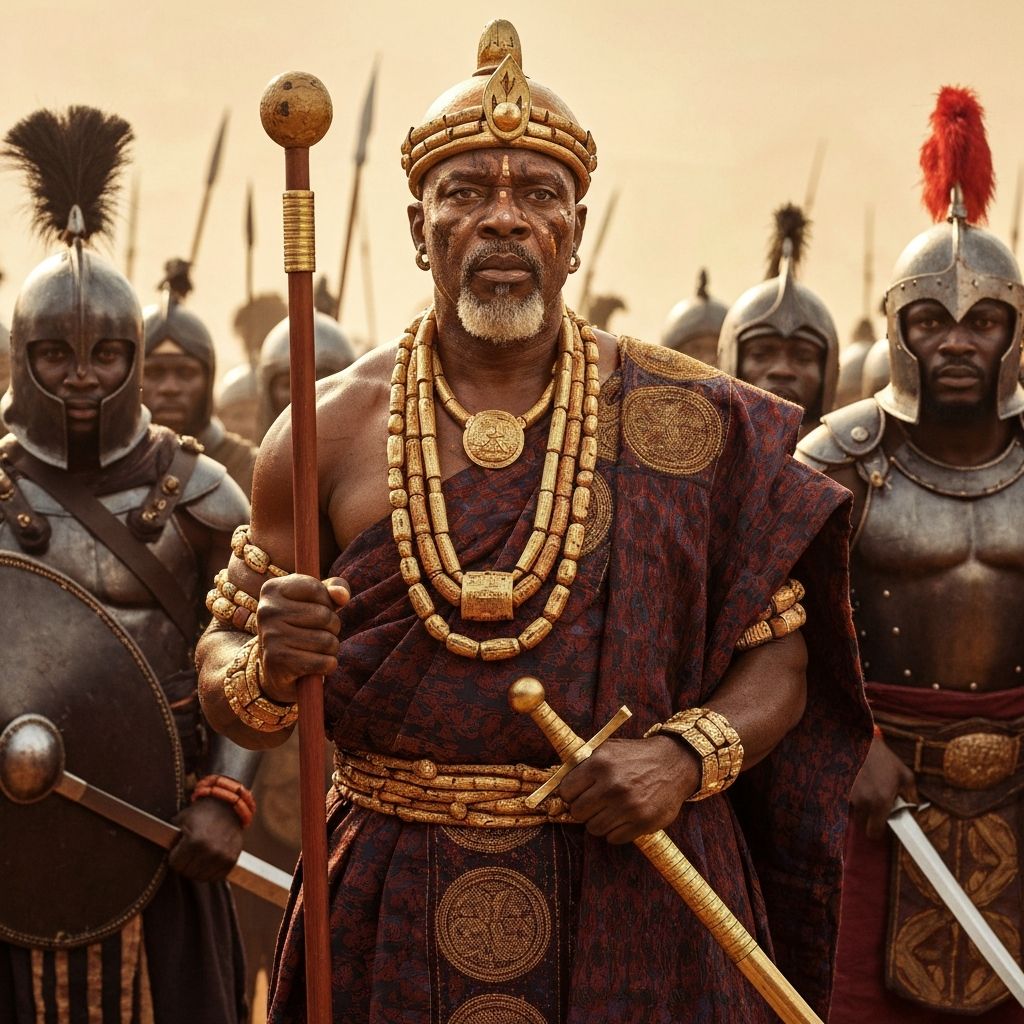
Oluwo Oyewole Agunbiade
Warrior King
19th Century
Led Iwo's forces during the Yoruba wars. His military strategy and alliances protected the town and expanded its influence.
Celebrated as a hero of Iwo's resistance. His reign marked Iwo's emergence as a significant military power in the region.

Chief Aare Latoosa
Military Commander & Strategist
1880s
Renowned military leader who commanded forces across Yorubaland. His tactical brilliance influenced the outcome of major conflicts.
His military innovations and leadership are studied in historical accounts. He remains a symbol of strength and strategic thinking.
20th Century
Transition to modern governance and cultural preservation
Oba Ayotunde Ile
Oluwo of Iwoland
1993-2015
Modernized traditional institutions and promoted education. His reign brought infrastructure development and cultural revival.
Remembered for peaceful leadership and commitment to youth development. Many community facilities were built during his reign.
Professor Babatunde Elegbe
Academic & Historian
1940-2010
Documented Iwo's history and cultural traditions. His research preserved oral histories and archaeological findings.
His publications remain authoritative sources on Iwo's history. He trained generations of historians and researchers.
21st Century
Contemporary innovation and cultural renaissance
Oba Abdulrosheed Akanbi
Current Oluwo of Iwoland
2015-Present
Bringing innovation to traditional leadership. Known for progressive reforms, peace advocacy, and community development initiatives.
His unconventional approach has attracted national attention. He promotes religious harmony, youth empowerment, and modern governance.
Engineer Tunde Ogunlade
Infrastructure Developer & Entrepreneur
1970-Present
Led major infrastructure projects across Iwo. His investments in roads, utilities, and commercial facilities have transformed the town.
Created employment opportunities and improved quality of life. His philanthropic work supports education and healthcare.
Dr. Kemi Adekunle
Entrepreneur & Women's Advocate
1982-Present
Founded successful agribusiness enterprises. Empowers women through training programs and microfinance initiatives.
Role model for young women entrepreneurs. Her programs have lifted hundreds of women out of poverty through skills and capital.
Opportunities & Engagement
Tourism
Palace visits and cultural festivals.
Investment
Agribusiness and food processing, and trade and logistics.
Community Engagement
Town development associations and diaspora-led initiatives.
Living Directory
Education
- Primary and secondary schools
Healthcare
- Public and private healthcare facilities
Services
- Markets and commercial centers
- Artisans and service providers